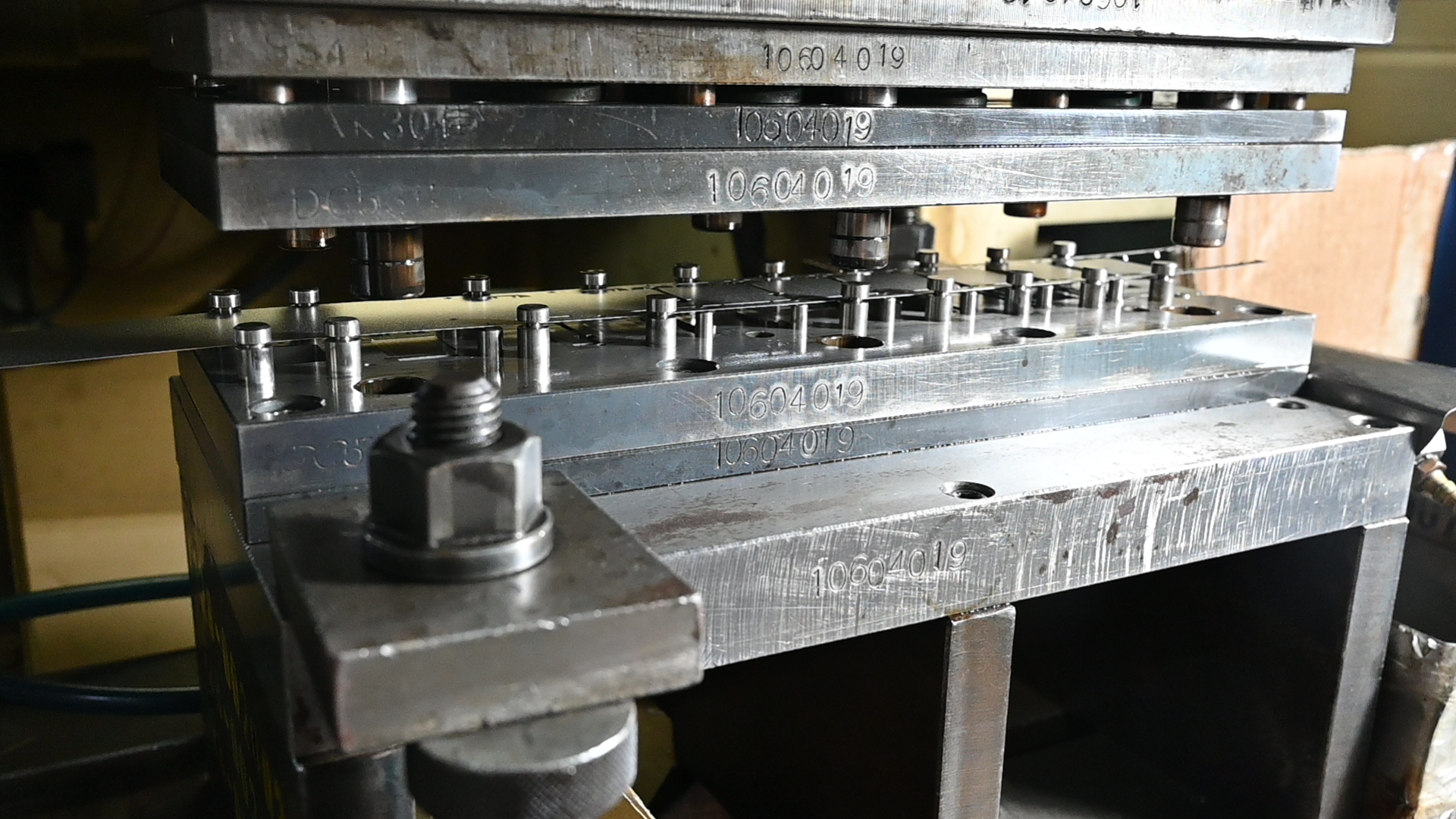
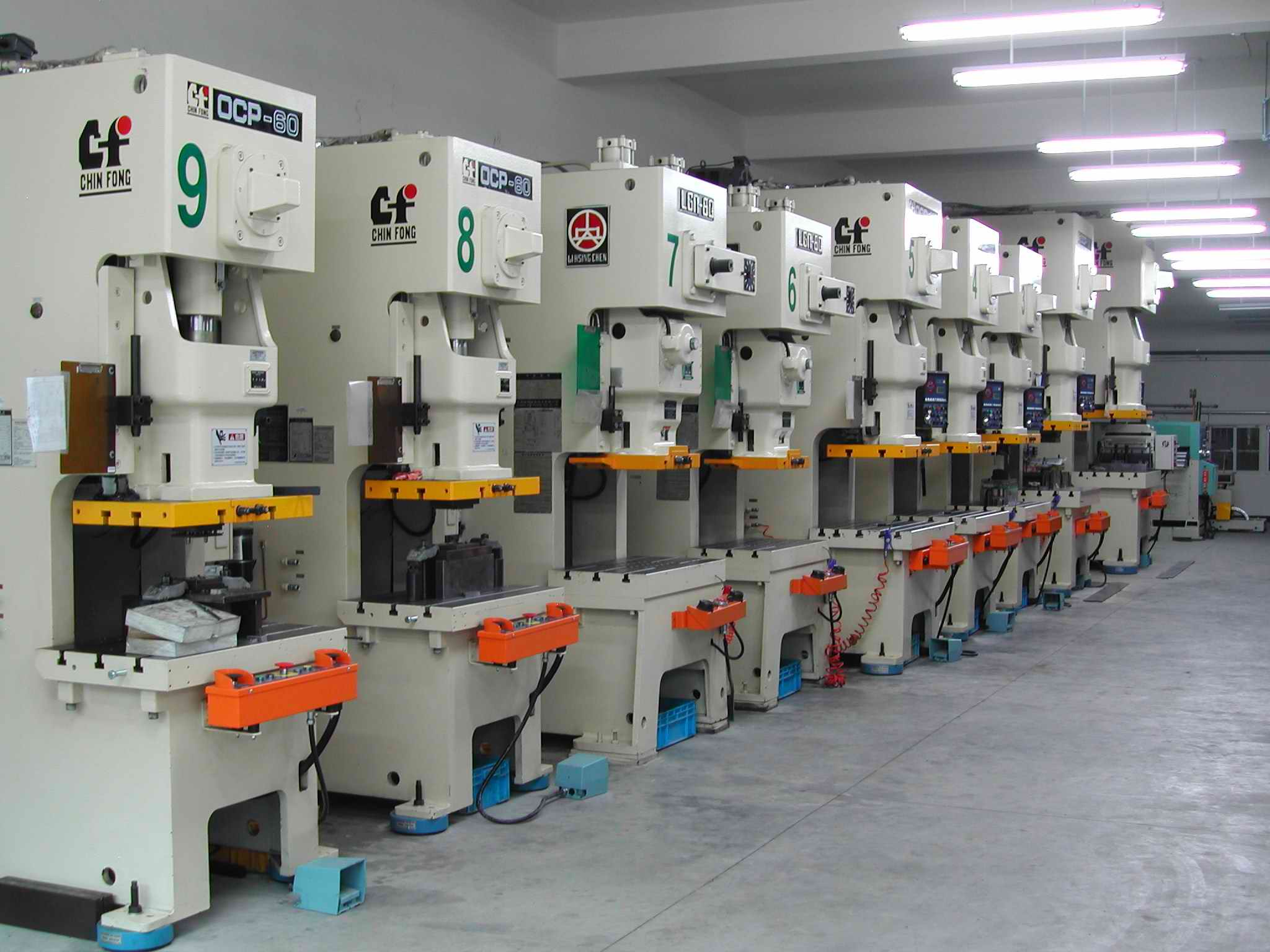
What Materials Are Used for Metal Stamping? Common Metals and Their Stamping Characteristics
What Are the Common Materials Used in Metal Stamping?
Common materials used in metal stamping include SPCC cold-rolled steel, stainless steel, aluminum alloys, copper, and brass. Each material has different properties in terms of hardness, strength, ductility, corrosion resistance, and formability, all of which can directly affect the stamping process and final product quality.
Before starting a metal stamping project, it is important to confirm the product application, material grade, sheet thickness, and any required surface treatment. Selecting the right material can help reduce forming issues while improving dimensional consistency and production quality.
SPCC and Cold-Rolled Steel Stamping
SPCC is one of the most commonly used cold-rolled steel materials for metal stamping. It offers good formability and is suitable for punching, blanking, bending, and general forming processes. It is widely used for hardware parts, electronic equipment, mechanical components, and various metal brackets.
Because SPCC has limited corrosion resistance, additional surface treatments such as plating, painting, or coating may be required for rust protection or improved appearance. Tooling design and stamping conditions should also be adjusted according to material thickness and part geometry.
Stainless Steel and Aluminum Alloy Stamping
Common materials used in stainless steel stamping include SUS304 and SUS316. Stainless steel offers excellent corrosion resistance and is widely used for electronic parts, equipment components, hardware, and metal brackets. During stamping, factors such as springback, work hardening, and tool wear must be carefully considered.
Aluminum alloy stamping is commonly used for lightweight components because aluminum offers low weight and good corrosion resistance. It is suitable for electronic products, machinery, and lightweight industrial parts. During production, special attention should be paid to surface scratches, dents, and forming conditions, especially for visible or cosmetic parts.
Copper and Brass Stamping
Copper offers excellent electrical conductivity and is commonly used for electronic components, electrical parts, terminals, conductive contacts, and precision metal parts. Brass also provides good formability and electrical conductivity, making it suitable for a wide range of electronic and hardware applications.
When stamping copper or brass, manufacturers need to control material thickness, burrs, dimensional accuracy, and any required surface treatment. For electrical and conductive components, both dimensional stability and surface quality are especially important.
How to Choose the Right Material for Metal Stamping
There is no single best material for every metal stamping application. The material should be selected based on the product's functional requirements. SPCC and other steel materials are commonly used for general hardware parts, stainless steel is suitable for corrosion-resistant applications, aluminum alloys are ideal for lightweight components, while copper and brass are often used for electrical and conductive parts.
If you are looking for metal stamping services in New Taipei City, precision metal stamping, or custom metal parts manufacturingit is recommended to provide complete drawings, material specifications, sheet thickness, estimated order quantity, and surface treatment requirements. This allows the stamping manufacturer to evaluate the most suitable tooling design and production process for your project.